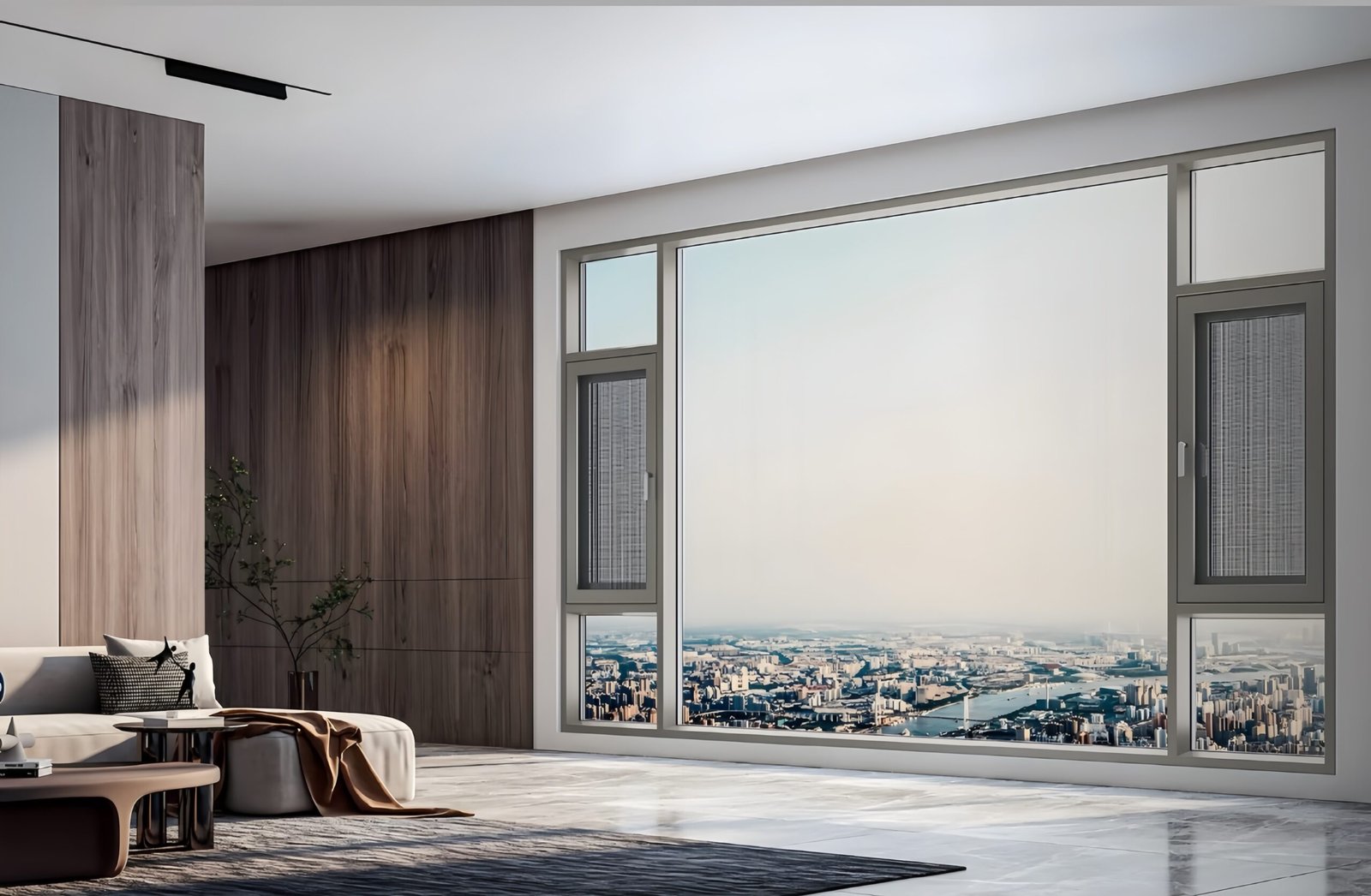
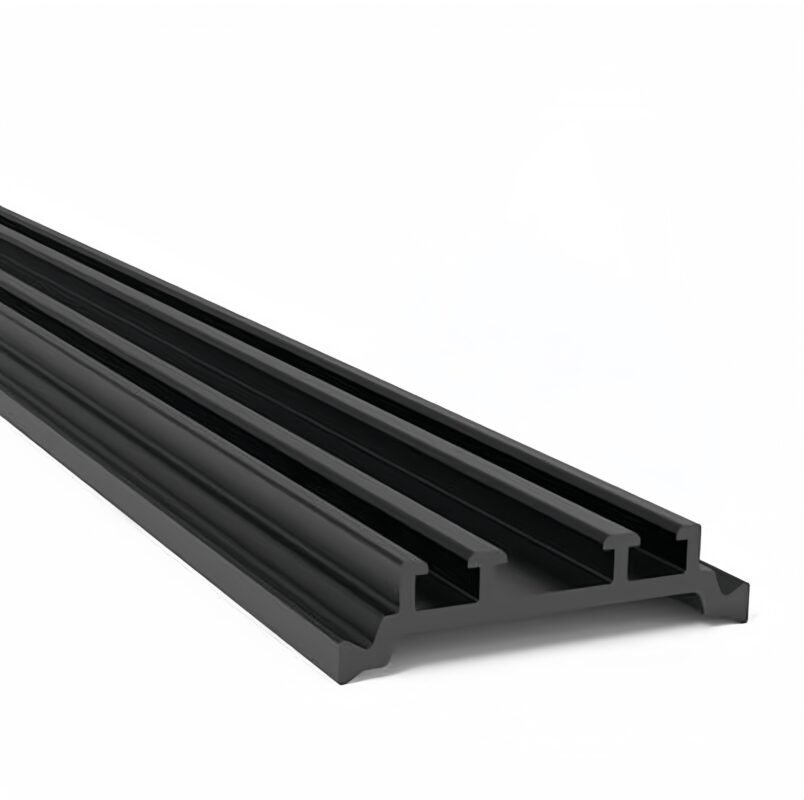
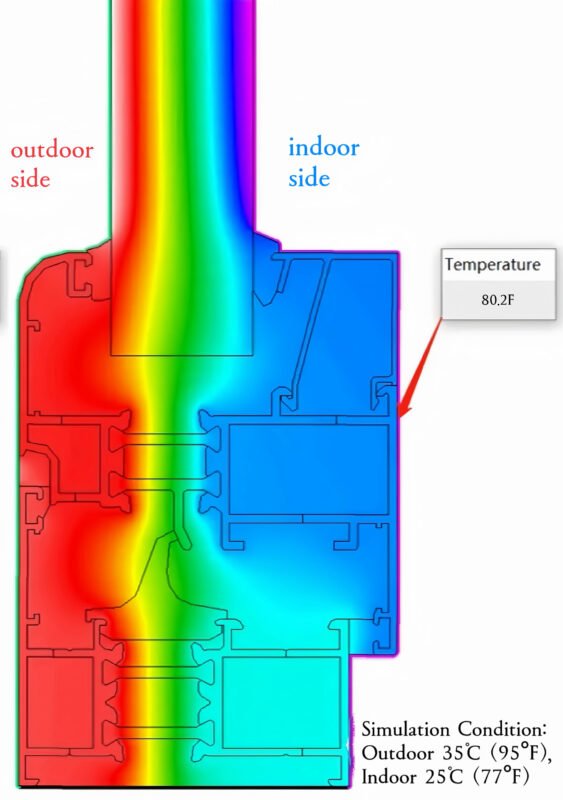
Without a thermal break, aluminum acts as a conductor, transferring outdoor heat inside in summer and letting indoor warmth escape in winter. With thermal break design, energy loss is significantly reduced.
Why Thermal Break Is Essential in 2026?
1. Higher Global Energy Standards
Energy codes in North America, Europe, and many regions are becoming stricter. Non-thermal-break aluminum windows can no longer meet official energy-saving requirements. Thermal break products ensure compliance and higher building ratings.
2. Lower Energy Bills Year-Round
Homes with thermal break aluminum systems stay cooler in summer and warmer in winter. This reduces reliance on air conditioning and heating, cutting energy costs significantly over time.
3. Strong, Durable, and Low-Maintenance
Aluminum is corrosion-resistant, warp-resistant, and long-lasting. The thermal break structure does not weaken the frame strength. It requires minimal maintenance and performs well in harsh climates.
4. Better Sound Insulation
The multi-chamber profile and insulated design improve acoustic performance, reducing outdoor noise for quieter interiors.
5. Eco-Friendly & Sustainable
Improved energy efficiency lowers carbon emissions. Aluminum is also 100% recyclable, supporting green building and sustainable development goals.
Thermal Break vs. Ordinary Aluminum
Ordinary aluminum windows conduct heat easily, leading to poor energy efficiency. Thermal break aluminum windows provide stable temperature, better comfort, higher safety, and greater property value.
Conclusion
In 2026, thermal break technology is not an extra upgrade — it is a basic necessity. Thermal break aluminum windows and doors offer outstanding energy efficiency, durability, comfort, and aesthetic value.
For any modern building project, choosing thermal break aluminum is a wise, future-proof investment.